

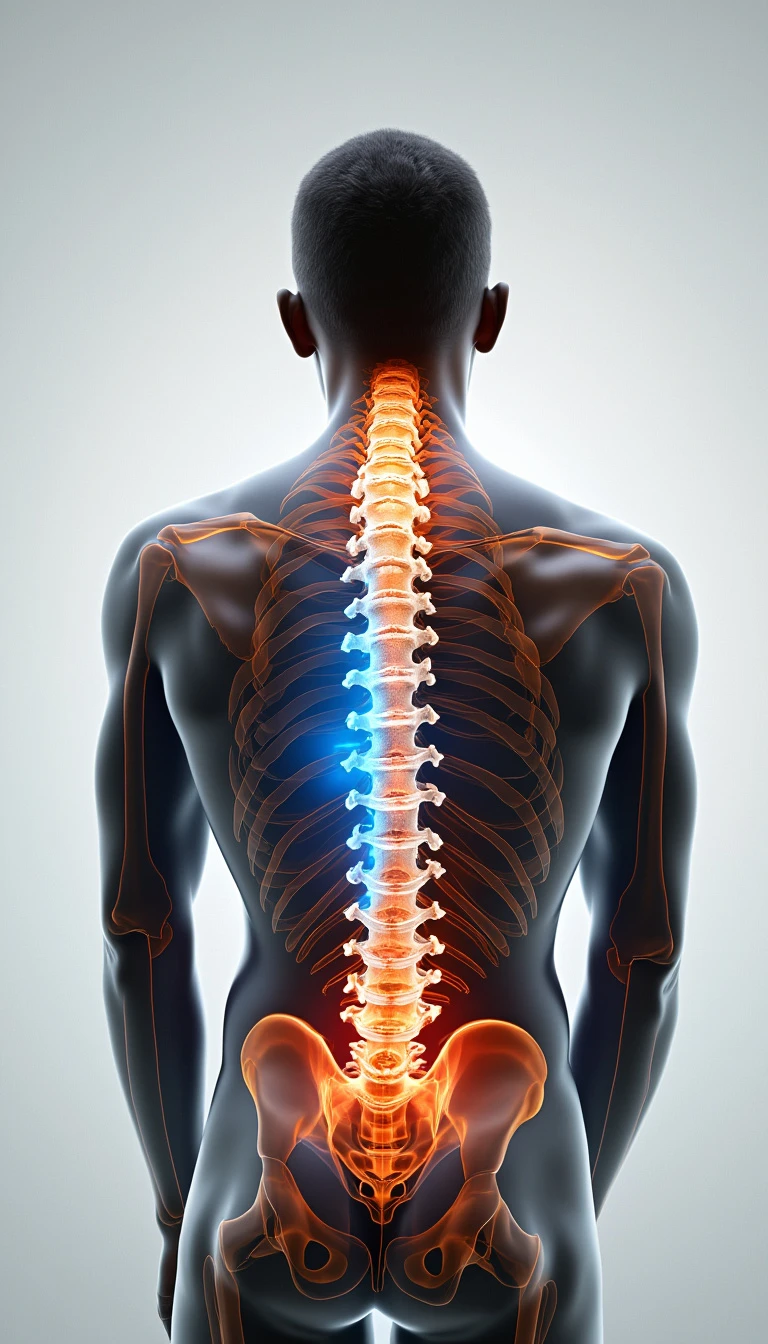
Back pain is like that uninvited guest who overstays their welcome; it can quickly become a big part of your life, affecting everything from your daily activities to your emotional well-being. Whether it’s a dull ache or a sharp pain, back discomfort is more than just a physical issue—it can drain your energy and make even the simplest tasks feel daunting. This article dives into practical strategies that can bring you enduring relief from back pain and help you reclaim your active lifestyle. We’ll explore the importance of posture, the power of exercise, and lifestyle habits that foster a healthier back. With dedication and the right approach, lasting relief is not just a dream—it’s an attainable reality!
Understanding the Causes of Discomfort
Common Triggers of Back Pain
Getting to the root of your back pain starts with understanding its common triggers. Many people don’t realize that their everyday habits contribute significantly to discomfort. For example, improper lifting techniques can lead to serious strain on your back. When you lift heavy items without bending your knees, you’re putting an immense load on your spine. Similarly, spending long hours in a poorly designed chair can lead to muscle fatigue and tension, particularly in your lower back.
Weight gain is another responsible culprit, as added body weight can alter your spine’s natural curve, increasing your risk of pain. Moreover, a sedentary lifestyle can weaken the muscle support around your back, making you more vulnerable to injuries. Emotional factors such as stress can tighten your muscles, further exacerbating discomfort. It’s a web of interconnected issues, and recognizing these triggers is your first step in finding relief.
The Role of Posture in Back Health
Believe it or not, the way you hold your body can greatly impact your back health. Poor posture creates misalignment in your spine, leading to undue strain and discomfort. If you often find yourself slouched over while working at your desk or leaning awkwardly while staring at your phone, you might be setting yourself up for pain. Maintaining proper alignment is key for distributing your weight evenly and reducing stress on your spine.
To cultivate better posture, pay attention to how you sit and stand. When seated, keep your feet flat on the ground and aim for a neutral spine with relaxed shoulders. For standing, keep your chest open and shoulders pulled back—a small adjustment that can relieve pressure on your spine. Investing in ergonomic furniture, such as an adjustable chair or a standing desk, can make a world of difference in enhancing your posture and reducing back pain risks.
Injuries and Chronic Conditions
Injuries are often significant contributors to back pain, encompassing everything from sprains and strains to herniated discs. Sprains occur when ligaments are stretched or torn, often caused by sudden movements or heavy lifting, while strains involve muscles or tendons. Herniated discs, known for causing intense pain that often radiates down the legs, occur when the soft tissue between vertebrae protrudes.
Chronic conditions such as arthritis, scoliosis, and osteoporosis can also pave the way for persistent back issues. For example, arthritis leads to joint inflammation, resulting in pain and disrupted mobility. Scoliosis, a spinal curvature, creates imbalances that can lead to discomfort over time. Weakened bones, as seen in osteoporosis, increase the risk of fractures that may trigger acute pain. Understanding these various causes helps you take proactive steps toward managing your back pain effectively.
Practicing Good Posture
Identifying Poor Posture Habits
Recognizing your own posture habits is the first step toward making meaningful changes. Common signs of improper posture include slouching while sitting, leaning too far forward at your desk, and tilting your head excessively. To better understand your habits, ask a friend to observe you or use a mirror for self-assessment. Note how different positions feel—any discomfort can signal misalignment. Keeping a journal to track when you feel discomfort can also help identify specific activities that may be contributing to your back pain.
Techniques for Maintaining Proper Alignment
Keeping proper alignment throughout your daily routine is essential for back health. Make sure your workspace is ergonomically designed. Your chair should support your lower back, and your feet should rest flat on the ground or a footrest. Position your computer screen at eye level to reduce neck strain, and avoid cradling your phone when talking by using a headset instead.
Exercises focused on core strength and flexibility are beneficial for improving your posture. Yoga and Pilates are fantastic for this, as they emphasize core stability and proper alignment, all while enhancing flexibility. A simple “wall test” can reinforce good posture. Stand with your back against a wall, ensuring your head, shoulders, and heels touch while allowing for a slight natural curve in your lower back. This position can serve as a reference for proper alignment throughout your day!
Posture Correction Tools and Resources
Consider utilizing tools specifically designed for posture correction. Wearing posture-correcting braces reminds you to align your spine correctly throughout the day. There are also various apps available that send reminders for posture checks, keeping you mindful while you work or relax.
Furthermore, online resources can provide guidance on exercises and techniques for improving posture. Physical therapy websites often offer detailed articles and instructional videos to help individuals grasp good posture mechanics. Consulting a physical therapist for personalized assessments and tailored exercises can lead to lasting changes in your posture and a notable reduction in back pain.
Incorporating Targeted Exercises
Stretching for Flexibility and Relief
Incorporating stretching into your routine can work wonders for your back health. Engaging in regular stretching helps elongate tight muscles, boosts your range of motion, and alleviates stiffness. Some straightforward yet effective stretches you can try include the cat-cow stretch, seated forward bend, and child’s pose. For the cat-cow stretch, begin on all fours, inhaling while arching your back and looking upwards, then exhale while rounding your spine and tucking your chin. Aiming for 5-10 repetitions can yield amazing benefits.
Dynamic stretches, like torso twists and standing side bends, not only improve flexibility but also engage your core. Holding each stretch for about 15-30 seconds is effective, and listening to your body is key to avoid overextending. By adopting these stretches into your daily routine, you can make significant strides toward flexibility and overall spinal health.
Strengthening Core Muscles
A strong core plays a pivotal role in supporting your spine and maintaining proper posture, both essential for reducing back pain. Incorporate exercises such as planks, bridges, and bird dogs to strengthen the muscles surrounding your back. To perform a plank, lay face down, then lift your body onto your forearms and toes, keeping it aligned from head to heels. Hold this position for 20-30 seconds, gradually increasing as your strength improves.
Bridges are particularly effective for targeting your lower back and glutes. Start by lying on your back with knees bent and feet flat on the floor. Press through your heels to raise your hips toward the ceiling. Hold briefly before lowering back down. Aim for 10-15 repetitions. Doing these exercises three times a week can significantly enhance core stability, helping prevent future injuries.
Low-Impact Activities to Consider
Engaging in low-impact activities greatly benefits your back while providing essential cardiovascular health. Swimming, cycling, and walking fit the bill perfectly. Swimming stands out, as the water’s buoyancy supports your body, allowing for a complete range of motion without placing undue stress on your spine. Aim for at least 30 minutes of swimming three times a week to strengthen back muscles while also promoting relaxation.
Walking is practical and easy to incorporate into your daily schedule. Start with short distances and gradually increase as your stamina improves. Gentle yoga classes specifically designed for back pain can be excellent low-impact options. By participating regularly in these activities, you can enhance your physical fitness while experiencing significant relief from back pain.
Adopting Healthy Lifestyle Choices
The Impact of Weight Management
Managing a healthy weight is crucial for alleviating back pain. Excess weight adds strain to your spine and surrounding muscles, often leading to discomfort or injury. Those at a healthy weight frequently experience fewer episodes of back pain compared to their overweight counterparts. To achieve and maintain a healthy weight, it’s essential to combine regular physical activity with mindful eating habits.
Incorporating exercises into your daily routine aids in burning calories while also building the muscle that supports your spine. Workouts such as swimming, walking, or cycling boost cardiovascular fitness and can promote weight loss without straining your back. Muscle-strengthening exercises also contribute positively, building muscle mass that better supports your skeletal structure. Aim for at least 150 minutes of moderate aerobic activity weekly, alongside muscle-strengthening exercises at least two days a week.
A nutritious diet plays a vital role in weight management as well. Prioritize whole foods like fruits, vegetables, lean proteins, and whole grains, while limiting processed options high in sugars and unhealthy fats. Tracking your food intake through apps or a food diary helps you gain insights into your eating habits and make healthier choices.
Nutrition for Bone and Muscle Health
Having a balanced diet is not solely about weight management; it’s equally important for maintaining strong bones and muscles. Nutrients like calcium, vitamin D, protein, and magnesium are essential for supporting bone health and muscle function. Foods rich in calcium, such as dairy products, leafy greens, and fortified plant-based milk, should be a staple in your diet. Generally, adults should aim for around 1,000 mg of calcium daily, increasing to 1,200 mg for women over 50 and men over 70.
Vitamin D enhances calcium absorption and is vital for bone health. While sunlight is the best source, you can also find it in fatty fish, egg yolks, and fortified foods. Discuss potential supplementation with your healthcare provider if you get limited sun exposure. Adequate protein intake aids in muscle repair and growth—focus on a variety of sources, such as legumes, nuts, seeds, and lean meats. Nutrient-rich foods will support not just your back health but your overall well-being.
Stress Management Techniques
Chronic stress exacerbates back pain by causing muscle tension and poor posture. Learning effective stress management techniques is crucial for mental and physical health. Mindfulness practices, like meditation and deep-breathing exercises, are excellent for lowering stress levels and promoting relaxation. Even dedicating just a few minutes to mindfulness every day can shift your overall mood positively and change your perception of pain.
Add physical activities like yoga or tai chi to your routine. These practices blend movement with breath control, making them effective for reducing stress and enhancing flexibility. Not only can they ease tension in your back muscles, but they also improve posture, keeping back pain at bay. Aim to engage in such activities several times a week for maximum benefits.
Don’t underestimate the importance of a solid support system in managing stress. Regularly connect with friends or family to share experiences and seek emotional support. Consider participating in community activities or support groups to build connections, helping foster resilience during tough times.
Utilizing Professional Treatments
Physical Therapy Options
Physical therapy is a key player in managing and alleviating back pain. A licensed therapist can evaluate your condition and craft a personalized rehab program to fit your needs. This often includes exercises focused on core strength, flexibility, and posture improvement. Therapists may also use modalities like heat or electrical stimulation, reducing pain and inflammation to improve mobility.
Beyond traditional exercises, physical therapists educate patients on body mechanics and ergonomics to avoid future injuries. They may demonstrate proper lifting techniques or suggest modifications to your workspace, contributing to lasting relief as you regain mobility.
Chiropractic Care and Its Benefits
Chiropractic care centers around diagnosing and treating musculoskeletal conditions, especially those involving the spine. Chiropractors use spinal manipulation and other manual techniques to enhance joint function and alleviate pain. Many studies reveal that chiropractic adjustments can significantly improve pain levels and overall function for those suffering from back pain.
The non-invasive nature of chiropractic treatments is one of its notable benefits. Unlike surgical options, this approach encourages your body’s natural healing processes. Chiropractors typically incorporate lifestyle advice, covering areas like exercise, nutrition, and stress management, which can lead to recovery and prevent recurrence. Regular visits can also provide insights into your body’s mechanics, ensuring you maintain long-lasting spinal health.
Alternative Therapies: Acupuncture and Massage
Acupuncture—rooted in ancient Chinese medicine—involves inserting thin needles into specific body points. Research indicates that acupuncture can effectively reduce chronic pain, including back pain, by stimulating endorphin release and improving blood flow. Many individuals report substantial relief after just a few sessions, making it a compelling option for pain management.
Massage therapy serves as another complementary treatment for alleviating back pain. By targeting tense muscles, massage improves circulation, reduces stiffness, and fosters relaxation. Different techniques like deep tissue or sports massage can be tailored to meet individual needs. Regular massage sessions can contribute to enhancing overall well-being and improving sleep quality, factors integral to effective pain management.
Implementing Daily Habits for Long-Term Relief
Creating an Ergonomic Workspace
Setting up an ergonomic workspace is essential for both preventing and alleviating back pain. Your workspace should support your body adequately while you work to avoid unnecessary strain. Start by adjusting your chair to support the natural curve of your spine, ensuring your feet rest flat on the ground or on a footrest. Your desk height should also allow your elbows to maintain a 90-degree angle while typing, which helps keep your wrists in a neutral position.
Additionally, consider using a chair with lumbar support or adding a pillow for extra comfort. Keep frequently used items within arm’s reach to minimize the need to twist or reach excessively, which could provoke back pain. Personalizing your workspace in this way can significantly contribute to your comfort and productivity.
Importance of Regular Movement
Incorporating regular movement into your routine is vital for maintaining a healthy back. Sitting for extended periods can lead to stiffness and muscle weakness, heightening your pain over time. Aim to stand or move for a few minutes at least once an hour. Simple actions, like stretching or walking a bit, can significantly enhance blood circulation and flexibility.
Integrating short, structured breaks throughout your day is beneficial. Take brief walks or perform gentle stretches that focus on your back, hips, and legs. Movements like the cat-cow stretch, child’s pose, or standing hamstring stretch can help ease muscle tension and promote mobility. Moreover, regular physical activity outside of work hours—include swimming, yoga, or Pilates—can strengthen core muscles, providing vital support to your spine. Try to maintain at least 150 minutes of moderate aerobic activity each week, along with muscle-strengthening exercises on at least two days.
Tips for Sleeping Comfortably
Quality sleep is an often-overlooked component of back pain relief. A good night’s rest is as critical as exercise and diet because it allows your body time to heal. Choosing the right mattress and pillow can greatly impact your sleep quality and spinal alignment. Ideally, your mattress should offer adequate support—it shouldn’t be too soft or too firm, allowing your spine to stay in its natural curve.
When selecting pillows, consider your sleeping position. Back sleepers should opt for a thinner pillow that maintains the neck’s natural curvature, while side sleepers may require a thicker option to keep the spine aligned. Sleeping on your stomach is generally discouraged, as it can strain both the neck and back; if you find this position hard to avoid, using a thinner pillow or no pillow at all can help alleviate strain.
Build a bedtime routine that fosters relaxation. Steer clear of screens before bed—the blue light can disrupt your sleep cycle. Instead, think about reading, meditating, or doing gentle yoga to wind down. Keeping a consistent sleep schedule by going to bed and waking up at the same time every day can improve your sleep quality, providing more significant relief from back pain.
Conclusion
Alleviating back pain effectively requires a comprehensive approach that addresses both the immediate discomfort and its underlying causes. By understanding the various factors contributing to your pain—like poor posture, lack of physical activity, and stress—you can take proactive steps to find relief. Committing to good posture, incorporating purposeful exercises, and embracing healthy lifestyle habits can significantly strengthen your back and enhance your overall well-being. Moreover, utilizing professional treatments and establishing daily routines will further contribute to long-term relief. By making these strategies part of your routine, you can foster a healthier spine, boost your mobility, and ultimately enjoy a life replete with vitality and free from the shackles of back pain.