

Sciatica
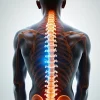
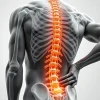
Sciatica is a common yet often misunderstood condition that affects millions of people worldwide, characterized by pain that radiates along the path of the sciatic nerve, which extends from the lower back down to the legs. This condition typically arises from a herniated disc, spinal stenosis, or other underlying issues that put pressure on the nerve, leading to discomfort that can significantly impair daily activities. Understanding sciatica is crucial not only for those who suffer from it but also for healthcare professionals and caregivers, as early diagnosis and effective management strategies can greatly enhance the quality of life for affected individuals. The articles delve into the various causes, symptoms, and treatment options available for sciatica, emphasizing the importance of a tailored approach to address this debilitating ailment. By raising awareness and providing insight into sciatica, we can foster a better understanding of its impact and encourage those affected to seek appropriate care and support.
Understanding the Sciatic Nerve
Anatomy of the Sciatic Nerve
The sciatic nerve is the largest and longest nerve in the human body, measuring about 2 centimeters in diameter and extending from the lower back down to the feet. It originates from the lumbosacral plexus, formed by the nerve roots of the lumbar and sacral spinal cord, specifically from L4 to S3. As it travels through the pelvis, the sciatic nerve branches off into two primary divisions: the tibial nerve and the common peroneal nerve. This nerve runs beneath the piriformis muscle and passes through the greater sciatic notch, which is located in the pelvic region. Due to its anatomical position, the sciatic nerve is susceptible to compression and irritation, particularly in conditions such as piriformis syndrome or herniated discs.
Function of the Sciatic Nerve
The primary role of the sciatic nerve is to provide motor and sensory functions to the lower limbs. It innervates the muscles in the back of the thigh, allowing for actions such as knee flexion and hip extension. Additionally, the sciatic nerve supplies sensation to the skin of the lower leg and the foot, making it essential for both mobility and sensitivity. The tibial branch of the sciatic nerve manages plantar flexion and toe flexion, while the common peroneal branch is responsible for dorsiflexion and eversion of the foot. Disruption of these functions can lead to significant mobility issues and impairments in daily activities.
Importance of Nerve Health
Maintaining the health of the sciatic nerve is crucial for overall physical well-being. Proper nerve function is essential not only for movement but also for the transmission of sensory information, which helps the body react to environmental stimuli. Factors such as poor posture, obesity, and a sedentary lifestyle can contribute to nerve compression and irritation. Regular physical activity, stretching, and ergonomic practices can promote nerve health by improving blood circulation, reducing inflammation, and preventing muscle tightness that may affect the sciatic nerve. Awareness of symptoms associated with sciatic nerve issues, such as pain, tingling, or weakness in the legs, is vital for early intervention and treatment, which can prevent chronic complications and improve quality of life.
Common Causes of Discomfort
Herniated Discs
A herniated disc occurs when the soft inner gel of a spinal disc protrudes through a tear in the tougher exterior. This condition can lead to significant discomfort, particularly when the herniated portion presses on nearby nerves. Symptoms often include sharp, shooting pain that may radiate down the leg, numbness, or weakness in affected areas. Factors contributing to herniated discs include age-related degeneration, improper lifting techniques, and sudden awkward movements. Treatment options typically range from conservative methods such as physical therapy and pain management to more invasive procedures like surgery, depending on the severity of the condition.
Spinal Stenosis
Spinal stenosis refers to the narrowing of the spinal canal, which can put pressure on the spinal cord and nerves, leading to discomfort and a range of neurological symptoms. This condition is often attributed to age-related changes in the spine, including arthritis, bone spurs, and thickening of ligaments. Individuals with spinal stenosis may experience symptoms such as pain, cramping, or weakness, particularly when walking or standing for extended periods. Treatment strategies might include physical therapy, medication to reduce inflammation, and in severe cases, surgical intervention to relieve pressure on the spinal cord and nerves.
Other Contributing Factors
Beyond herniated discs and spinal stenosis, several other factors can contribute to sciatica discomfort. Poor posture, for instance, can lead to muscle imbalances and increased strain on the spine, exacerbating pain. Additionally, obesity can place extra pressure on the spine, increasing the risk of developing conditions that affect nerve health. Lifestyle factors such as lack of exercise, smoking, and repetitive activities can also play a role in the development of sciatica. Addressing these contributing factors through lifestyle modifications, ergonomic adjustments, and regular physical activity can significantly alleviate symptoms and improve overall spinal health.
Identifying the Symptoms
Types of Pain
Sciatica is characterized by a distinct type of pain that originates along the path of the sciatic nerve, which extends from the lower back through the hips and buttocks and down each leg. Patients often describe this pain in various ways. It can manifest as a sharp, shooting sensation, or a burning feeling that radiates down the leg. Others may experience a dull ache that can be persistent or intermittent. The intensity of the pain may vary, with some individuals noting that it worsens when sitting, standing, or during certain movements, such as bending or twisting.
Additionally, the pain may be unilateral, affecting only one side of the body, or it can be bilateral in more severe cases. It’s crucial to recognize that the location of the pain can provide insights into the underlying cause; for instance, pain that radiates below the knee may suggest more significant nerve involvement.
Associated Symptoms
In addition to pain, sciatica can be accompanied by a range of associated symptoms. Numbness or tingling sensations, often described as a “pins and needles” feeling, are common and may affect the leg, foot, or toes. This can lead to difficulties in mobility, balancing, or even performing everyday tasks.
Muscle weakness in the affected leg is another significant symptom that should not be overlooked. Individuals may find it challenging to lift their foot or may experience a dragging sensation while walking. Furthermore, some patients report changes in bowel or bladder control, which can indicate a more serious condition known as cauda equina syndrome. Recognizing these associated symptoms is critical for timely and appropriate intervention.
When to Seek Medical Attention
While many cases of sciatica can be managed with conservative treatment methods, there are specific situations where seeking medical attention is essential. If the pain is severe and debilitating, preventing regular activities or sleep, it’s advisable to consult a healthcare professional.
Moreover, if you experience symptoms such as significant weakness in the legs, loss of bowel or bladder control, or severe numbness that affects your ability to walk, immediate medical evaluation is crucial. These signs may suggest an underlying issue that requires urgent care, such as a herniated disc or spinal stenosis. It’s important to listen to your body and reach out for help when symptoms escalate or do not improve with home care measures. Early diagnosis and treatment can significantly enhance recovery outcomes and prevent complications.
Diagnostic Approaches
Physical Examination Techniques
The initial step in diagnosing sciatica involves a thorough physical examination, which allows healthcare professionals to assess the patient’s symptoms and identify potential causes of nerve compression. During the physical examination, the physician will typically start with a detailed medical history, focusing on the onset, location, and nature of the pain, as well as any associated symptoms such as numbness or weakness.
Next, the clinician will perform a series of physical tests aimed at evaluating the patient’s range of motion, strength, and reflexes. One common test is the straight leg raise test, where the patient lies on their back, and the examiner lifts one leg while keeping the knee straight. Pain radiating down the leg during this maneuver suggests sciatic nerve irritation or compression. Additionally, the physician may assess the patient’s walking ability and posture, looking for signs of muscle weakness or abnormal gait patterns that could indicate underlying issues.
Palpation of the spine and surrounding muscles is also crucial, as it helps identify areas of tenderness or muscle spasms. This hands-on approach can reveal specific anatomical problems such as herniated discs or spinal stenosis that may contribute to sciatica. Overall, a comprehensive physical examination is vital for forming a preliminary diagnosis and guiding further diagnostic steps.
Imaging Tests
When physical examination findings suggest that sciatica may be due to structural abnormalities, imaging tests are often employed to provide a clearer picture of the underlying issues. X-rays can be helpful in evaluating the alignment of the spine and identifying any degenerative changes such as arthritis that may contribute to nerve compression.
Magnetic Resonance Imaging (MRI) is considered the gold standard for diagnosing conditions related to sciatica. It offers detailed images of soft tissues, including intervertebral discs, nerves, and the spinal cord. An MRI can reveal herniated discs, spinal stenosis, or tumors that may be pressing on the sciatic nerve, thus confirming a diagnosis and informing treatment options.
Computed Tomography (CT) scans can also be useful, especially for patients who may have contraindications for MRI. While CT scans are less effective at visualizing soft tissue than MRIs, they can still provide valuable information about the bony structures of the spine. Electromyography (EMG) and nerve conduction studies may also be indicated to assess the electrical activity of nerves and muscles, helping to differentiate between sciatica and other conditions that may mimic its symptoms.
Differential Diagnosis
Establishing a differential diagnosis is crucial when evaluating sciatica, as various conditions can produce similar symptoms. Common differential diagnoses include herniated discs, which are often the primary suspect, but other possibilities must also be considered. For instance, spinal stenosis, characterized by the narrowing of the spinal canal, can lead to nerve compression and sciatica-like pain.
Additionally, conditions such as degenerative disc disease, spondylolisthesis, and piriformis syndrome should be ruled out. Piriformis syndrome occurs when the piriformis muscle compresses the sciatic nerve, leading to pain that can mimic typical sciatica symptoms but arises from a different source. Other potential causes include tumors, infections, or inflammatory diseases affecting the spine or pelvis.
It is essential to take a comprehensive approach when diagnosing sciatica, as the treatment and management strategies will vary significantly depending on the underlying cause. A thorough evaluation, including a detailed history, physical examination, and appropriate imaging studies, is necessary to arrive at an accurate diagnosis and ensure effective treatment.
Effective Treatment Options
Physical Therapy Techniques
Physical therapy plays a crucial role in the management of sciatica, focusing on alleviating pain and restoring function. A qualified physical therapist will develop a personalized treatment plan that includes a variety of techniques tailored to the patient’s specific needs. Common methods employed are stretching exercises, strengthening routines, and manual therapy. For instance, gentle stretching of the lower back and legs can help relieve tension on the sciatic nerve, while strengthening exercises for the core and back muscles contribute to overall stability and support.
Additionally, modalities such as heat and cold therapy, ultrasound, and electrical stimulation may be utilized to reduce inflammation and improve circulation. A systematic approach to physical therapy not only aids in pain relief but also equips patients with the knowledge and skills to prevent future episodes of sciatica. Patients are encouraged to maintain an active lifestyle, as regular movement can significantly improve outcomes. Furthermore, educational components focusing on body mechanics and ergonomic adjustments can empower individuals to make safer choices in their daily activities.
Medications and Pain Management
When it comes to managing sciatica pain, various medications can provide significant relief. Over-the-counter nonsteroidal anti-inflammatory drugs (NSAIDs), such as ibuprofen and naproxen, are often the first line of defense against mild to moderate pain. These medications work by reducing inflammation, thus alleviating pressure on the sciatic nerve. For more severe pain, healthcare providers may prescribe stronger options, including muscle relaxants or corticosteroids, which can effectively reduce inflammation and discomfort.
In some cases, nerve blocks or epidural steroid injections may be recommended to deliver targeted relief directly to the area around the affected nerve. This approach can provide temporary pain relief, enabling patients to engage more fully in physical therapy and daily activities. However, it’s essential to approach medication management with caution, as long-term use can lead to adverse effects. Therefore, it is advisable for patients to maintain open communication with their healthcare providers to monitor effectiveness and adjust treatment plans as necessary.
Surgical Interventions
For patients who do not respond adequately to conservative treatments, surgical options may be considered. Surgical interventions for sciatica typically aim to relieve nerve compression caused by herniated discs, bone spurs, or spinal stenosis. The most common procedure is discectomy, which involves removing the portion of the herniated disc that is pressing on the sciatic nerve. Another option is laminectomy, a procedure that involves the removal of a small section of the vertebra to alleviate pressure on the nerve roots.
While surgery can be effective in providing relief, it is generally viewed as a last resort after exploring all non-surgical options. Patients should engage in thorough discussions with their surgeons about the risks, benefits, and expected outcomes of the procedure. Rehabilitation post-surgery is essential, as it helps patients regain strength and mobility while minimizing the risk of recurrence. In summary, surgical interventions can be life-changing for individuals suffering from debilitating sciatica, but they should be approached with careful consideration and planning.
Preventive Measures and Lifestyle Changes
Exercise and Stretching Routines
Regular physical activity plays a crucial role in preventing sciatica and managing its symptoms. Engaging in low-impact exercises such as walking, swimming, or cycling can significantly enhance overall spinal health by strengthening the muscles that support the back and improving flexibility. Incorporating targeted stretching routines can alleviate tension in the lower back and enhance mobility.
For example, hamstring stretches can be particularly beneficial, as tight hamstrings may contribute to lower back strain. To perform a hamstring stretch, sit on the floor with one leg extended and the other leg bent. Lean forward gently towards the extended leg until you feel a stretch in the back of your thigh, holding the position for 20-30 seconds before switching legs.
Additionally, core-strengthening exercises such as planks or pelvic tilts can be invaluable. A strong core helps maintain proper alignment of the spine, reducing the likelihood of nerve compression. Aim to incorporate a mix of cardio, strength training, and flexibility exercises into your weekly routine, ideally 150 minutes of moderate aerobic activity and two days of strength training per week.
Posture and Ergonomics
Maintaining proper posture is essential for preventing sciatica and other musculoskeletal issues. Poor posture can place undue stress on the spine, leading to nerve compression. To promote good posture, be mindful of your alignment when sitting, standing, and moving. When sitting, ensure that your back is straight, shoulders are relaxed, and feet are flat on the ground. Using ergonomic chairs and desks can help support your spine in a neutral position.
Moreover, if your job involves prolonged sitting, consider investing in a chair that provides lumbar support or using a small cushion to support your lower back. Adjusting the height of your computer monitor so that it is at eye level can prevent neck strain and encourage better posture.
When lifting heavy objects, always bend at the knees rather than the waist, keeping the load close to your body. This technique minimizes strain on the back and reduces the risk of injury. Additionally, taking regular breaks to stretch and walk around can alleviate tension and promote better circulation.
Weight Management and Nutrition
Excess body weight can significantly impact spinal health, as it places additional strain on the lower back. Maintaining a healthy weight through a balanced diet and regular exercise can help reduce the risk of sciatica. Focus on a nutrient-dense diet rich in fruits, vegetables, whole grains, lean proteins, and healthy fats. Such a diet not only supports weight management but also provides essential nutrients for bone and muscle health.
Incorporating anti-inflammatory foods, such as fatty fish rich in omega-3 fatty acids, can help reduce inflammation in the body, which is beneficial for individuals with sciatica. Green leafy vegetables, nuts, and seeds also contribute to overall health and can mitigate pain levels.
Consider speaking with a registered dietitian to develop a personalized nutrition plan that aligns with your lifestyle and weight goals. Additionally, regular monitoring of your weight and maintaining an active lifestyle can significantly enhance your quality of life and reduce the recurrence of sciatica symptoms. Aim for gradual weight loss if necessary, as rapid changes can be unhealthy and unsustainable.
Living with the Condition
Coping Strategies
Living with sciatica can be challenging, but implementing effective coping strategies can significantly enhance your quality of life. One of the most beneficial methods is maintaining an active lifestyle tailored to your condition. Gentle exercises, such as walking, swimming, or yoga, can help strengthen the muscles supporting your spine while increasing flexibility and reducing pain. It is essential to consult with a healthcare professional to create a personalized exercise regimen that considers your specific situation.
Another critical strategy is to incorporate proper ergonomics into your daily routine. Whether you’re sitting at a desk or lifting heavy objects, maintaining good posture can alleviate pressure on your sciatic nerve. Use chairs that support your lower back, take frequent breaks to stretch, and avoid prolonged periods of sitting or standing. Additionally, using heat and cold therapy can provide relief; applying a heating pad or ice pack to the affected area can reduce inflammation and discomfort.
Mental resilience is also a vital aspect of coping with sciatica. Practices such as mindfulness meditation and deep-breathing exercises can help manage stress and pain perception. Keeping a pain diary to track your symptoms and triggers can also be beneficial, allowing you to identify patterns and communicate effectively with your healthcare provider.
Support Systems and Resources
Establishing a robust support system is crucial for individuals living with sciatica. Family and friends can play a significant role in providing emotional support and encouragement as you navigate the challenges of the condition. Engaging in support groups, either in-person or online, allows you to connect with others who understand what you’re going through. Sharing experiences and coping strategies can foster a sense of community and reduce feelings of isolation.
In addition to personal connections, various resources can aid in managing sciatica. Physical therapists specialize in creating tailored rehabilitation programs that focus on pain relief and functional improvement. They can teach you specific exercises and techniques to help manage your symptoms effectively. Furthermore, many organizations and websites offer valuable information on sciatica, including treatment options, lifestyle modifications, and research developments. Utilizing these resources can empower you to make informed decisions about your health.
Long-term Management Plans
Creating a long-term management plan is essential for effectively living with sciatica. This plan should involve regular check-ins with healthcare professionals to monitor your condition and adjust treatment as needed. A multidisciplinary approach often yields the best results; consider involving a chiropractor, physical therapist, and pain management specialist to address different aspects of your care.
Incorporating preventive measures is also vital in your long-term strategy. This includes continuing with your exercise routine, maintaining a healthy weight, and avoiding activities that may exacerbate your symptoms. Regularly practicing good posture and ergonomics at work and home can further reduce the risk of flare-ups.
Lastly, staying informed about your condition and potential treatment advancements is essential. New therapies, medications, and techniques are continuously being developed, and being proactive can help you make timely decisions about your care. Keeping an open line of communication with your healthcare team ensures that you receive the most effective and up-to-date treatment options available.
conclusion
In conclusion, understanding sciatica is essential for effectively managing this condition that affects many individuals. The sciatic nerve, as the largest nerve in the body, plays a critical role in mobility and sensation, making its health paramount. Common causes of discomfort often stem from issues like herniated discs, which require careful diagnosis and tailored treatment strategies. Recognizing the symptoms and seeking timely medical evaluation can lead to appropriate interventions, including physical therapy and medication, which are vital for alleviating pain and restoring function. Preventive measures, such as maintaining a healthy weight and engaging in regular exercise, are crucial in reducing the risk of developing sciatica. Moreover, coping strategies and support from loved ones can significantly improve the quality of life for those living with this condition. By adopting a comprehensive approach to understanding and managing sciatica, individuals can enhance their well-being and navigate the associated challenges more effectively.